

We ship worldwide - see checkout for options

Exceptional customer service trusted by 100's
We ship worldwide - see checkout for options
Exceptional customer service trusted by 100's
OUT OF PRINT
This title is not currently available
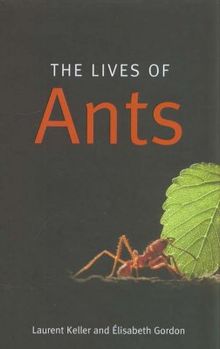
While not necessarily brightly coloured or beautiful, ants display some remarkable characteristics that are almost unique in the animal world. They live in intricately organized societies, made up of individuals that cooperate, communicate, and divide up daily tasks. They display amazing ingenuity when it comes to building nests and other structures, finding supplies, or even exploiting other members of the animal kingdom. This is an account of those lives – looking at the many species of ants around the world, explaining the secret of their huge ecological success, examining the remarkable and varied behaviours that ants exhibit, and tying in molecular biology, genetics, and even cutting-edge developments in robotics, to shed light on what makes ants unique.
264pp. Hardback. Colour plates & b/w halftones
9780199541867
| Weight | 1 kg |
|---|---|
| Author | |
| Editor | |
| Photographer | |
| Format | |
| Illustrators | |
| Publisher |

Paperback
£7.95
Hardback
Original price was: £35.00.£29.95Current price is: £29.95.
Hardback
Original price was: £33.49.£30.95Current price is: £30.95.
Paperback
Original price was: £50.00.£45.00Current price is: £45.00.In Stock

Hardback
£16.50
Paperback
Original price was: £19.95.£14.95Current price is: £14.95.In Stock
Paperback
£23.95